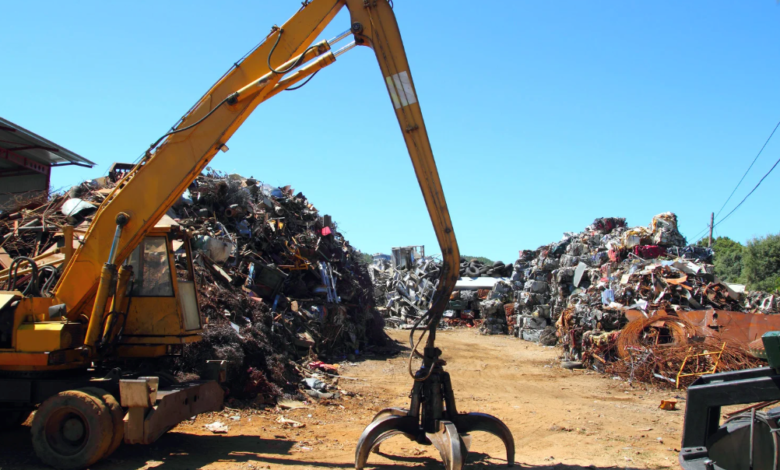
For those new to the process, stepping into a recycling facility for the first time can feel overwhelming. Whether you are clearing out a garage, managing a renovation project, or disposing of unused equipment, understanding how facilities like a scrap yard in Canton operate will make your visit more efficient and rewarding. From knowing what materials to bring to understanding current market values, preparation ensures a smoother experience and potentially better returns.
Preparing Your Materials Beforehand
Before heading to the scrap yard, it’s important to sort and organize your metals. Separating ferrous metals, which contain iron, from non-ferrous metals like aluminum, copper, and brass can help you get more accurate valuations. Many yards pay higher rates for clean, sorted loads because it reduces processing time. Removing any non-metal attachments, such as plastic coatings or insulation, may also improve pricing and speed up the inspection process.
Understanding Yard Rules and Safety Protocols
Scrapyards have specific safety rules to protect visitors and staff. Upon arrival, you may be required to wear protective gear, such as hard hats or safety glasses, and follow designated traffic routes within the facility. Vehicles are often weighed before and after unloading to determine the exact quantity of scrap you are selling. Understanding and following these guidelines helps maintain a safe and efficient environment for everyone.
Knowing What to Expect During the Evaluation
Once you arrive, your materials will be inspected and graded. The value of your scrap depends on factors like weight, metal type, and purity. Some items, such as electronics or car parts, may require additional processing. Being aware of market trends can help you decide the best time to sell, as prices for metals fluctuate based on demand and global supply.
Accepted and Restricted Items
Not all scrap yards accept every type of material. While most will take common metals, hazardous items such as pressurized containers, batteries, or materials containing asbestos are usually prohibited. It’s wise to call ahead and confirm what the yard accepts to avoid unnecessary trips.
Maximizing the Value of Your Visit
Experienced sellers often plan their visits around favorable market conditions. Keeping track of metal prices and visiting when rates are higher can significantly impact your returns. Additionally, bringing a larger, consolidated load instead of multiple small trips can save time and potentially increase your payout due to weight-based pricing.
Benefits Beyond Recycling
Selling scrap metal not only generates income but also contributes to environmental sustainability. By reintroducing metals into the manufacturing process, scrap yards help reduce the need for mining raw materials, lower energy consumption, and minimize waste sent to landfills. This environmental impact is one of the reasons many people choose to recycle regularly.
Why Scrap Yards Are Valuable to the Community
Scrap yards provide essential services for both individuals and businesses, offering an efficient way to dispose of unwanted metal responsibly. They also create jobs, stimulate local economies, and promote resource conservation. Understanding why scrap yards are the best solution for bulk metal recycling helps in making informed decisions about where and how to dispose of large quantities of metal.
Conclusion
Visiting a scrap yard for the first time can be an efficient and rewarding experience when you’re well-prepared. By organizing your materials, understanding yard rules, and keeping an eye on market prices, you can maximize your returns while contributing to environmental preservation. Scrap yards are more than just drop-off points; they are vital links in the chain of recycling and resource management.