Why Solder Fume Extraction System is Essential for Protecting Electronics Manufacturing Workers

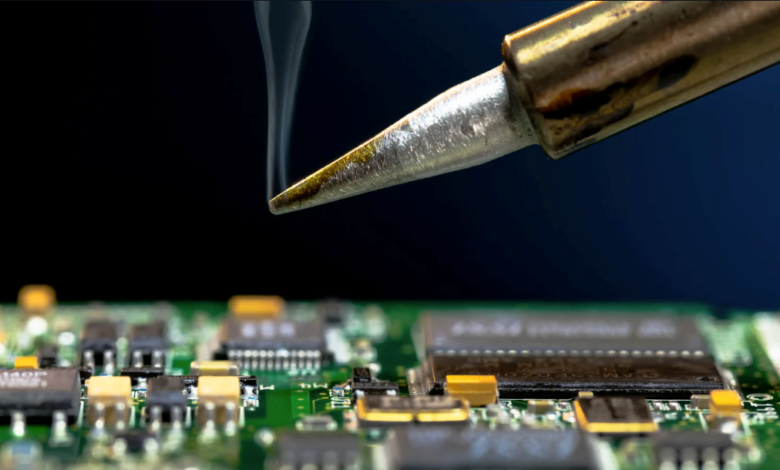
Electronics manufacturing involves detailed soldering processes that generate fine fumes and airborne particles. These emissions contain harmful substances such as flux residues, lead vapors, and volatile organic compounds. Without proper control, these pollutants can linger in the air and endanger worker health. That’s why installing a solder fume extraction system is not just a safety upgrade, it’s a necessity for any modern electronics production facility.
Proper fume control contributes to safer working conditions, better compliance, and increased productivity.
Understanding the Hazards of Soldering Fumes
Soldering releases particulates that can irritate the eyes, nose, and throat, and prolonged exposure may lead to chronic respiratory problems. Lead-based solder, even when used sparingly, can pose long-term health risks if inhaled in vapor form. Fluxes, too, can emit aldehydes and acids that exacerbate allergies and asthma-like symptoms in workers.
To mitigate these hazards, manufacturers must rely on air filtration systems that are specifically designed to target the emissions produced during soldering. Understanding the differences between solder fume extractors and smoke absorbers is key to selecting the right unit for your shop. While both devices serve to filter contaminants, extractors actively draw fumes away at the source, whereas smoke absorbers passively reduce airborne particulates in the general area. The performance and efficiency of these systems vary based on airflow strength, filter design, and capture zone proximity.
See also: A Complete Guide to the icp aes instrument: Technology, Applications, and Benefits
How Extraction Systems Support Safer Environments
Fume extraction systems function by drawing contaminated air through filters that trap hazardous particles before releasing clean air back into the workspace. High-efficiency filters, like HEPA or carbon cartridges, are capable of capturing microscopic particles and chemical fumes associated with soldering.
Using a system tailored for soldering tasks helps reduce illness-related absences, ensures regulatory compliance, and minimizes maintenance by preventing the buildup of harmful residues on machines and surfaces. Moreover, a cleaner environment improves visibility and precision, which is vital in electronics assembly.
The broader benefit is that solder fume extraction equipment reduces contamination and improves air quality, supporting both worker wellness and operational quality. Reducing ambient contamination not only protects those on the production line but also contributes to the reliability of sensitive components being assembled nearby.
Choosing the Right Setup
The right system depends on production volume, workbench layout, and the nature of soldering materials used. Portable fume extractors are useful for small stations or mobile tasks, while fixed overhead or bench-mounted systems are better for high-throughput lines. Features like flexible arms, multi-stage filters, and real-time monitoring sensors can make the operation more effective and user-friendly.
Installation should focus on positioning the inlet close to the fume source, minimizing escape, and maximizing containment. Periodic filter changes and airflow checks also ensure consistent performance over time.
Conclusion
In the fast-paced world of electronics manufacturing, worker safety should never be an afterthought. A well-designed solder fume extraction system provides a vital layer of protection, minimizing harmful exposure and supporting long-term respiratory health. Cleaner air leads to clearer focus, better outcomes, and a stronger, healthier workforce behind every high-tech product produced.