Home renovation is more than just visual upgrades; it’s about ensuring the long-term performance and functionality of your living space. For homeowners seeking to add value, enhance their layout, or improve comfort, structural changes are often the defining element that distinguishes surface-level improvements from true transformation. From open-concept conversions to modernizing outdated frameworks, strategic changes can make a significant difference. In projects such as a home renovation in Acworth, recognizing when to invest in structural updates is essential for ensuring safety, functionality, and aesthetic alignment.
Defining the Role of Structural Updates
Structural changes include modifications to load-bearing walls, foundation reinforcements, ceiling adjustments, or floorplan alterations. These updates often serve as the foundation for design flexibility and increased usability. Without addressing underlying issues like sagging beams or insufficient support structures, cosmetic upgrades can become short-lived.
Homeowners often confuse remodeling with renovation, but understanding the difference can reshape expectations. Understanding the difference between renovation vs remodel helps clarify that renovations refresh existing spaces, while remodels involve fundamental structural changes to meet new functional needs.
See also: How Technology Is Reshaping Logistics in Hong Kong
Enhancing Layout and Daily Function
One of the primary benefits of structural changes is the freedom to reimagine layout. For example, removing interior walls can create larger, unified spaces ideal for modern family living. Similarly, shifting entryways or expanding kitchens can increase natural light and improve traffic flow. Addressing these needs early avoids the limitations of “patch fixes.” Renovating with intent supports both design and practicality while improving long-term resale potential. These foundational decisions ensure that other features, such as cabinetry, fixtures, or flooring, align with the broader architectural vision.
Supporting Energy Efficiency and Safety
Older homes often suffer from outdated insulation, worn-out framing, or substandard wiring that is concealed within walls and ceilings. Structural renovation enables professionals to address these inefficiencies while ensuring the home complies with current safety codes and environmental standards. Insulation, plumbing, and electrical routing can all be improved when walls or ceilings are opened, delivering better performance and reduced utility costs.
Integrating structural improvements with eco-conscious design not only enhances comfort but also contributes to lasting value and sustainability. In the long run, the return on investment from improved performance often outweighs the upfront costs.
Unlocking Potential Through Informed Planning
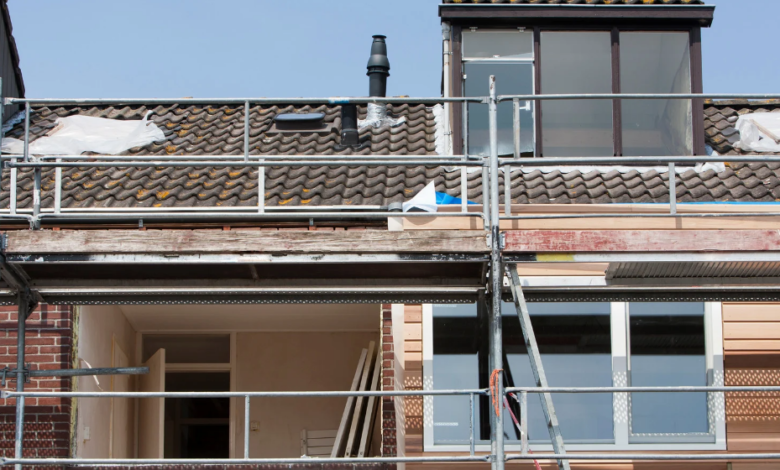
Planning a renovation requires more than inspiration; it demands professional input. Structural changes impact permits, engineering, and budgeting, all of which must be carefully managed. With expert guidance, homeowners can balance their vision with what’s structurally possible and financially feasible. When aiming to transform spaces through thoughtful renovations, structural updates offer the most straightforward path to unlocking their full potential. Whether converting a cramped attic into a livable loft or expanding a master suite, every successful transformation starts with a strong foundation and precise architectural planning.
Conclusion
Aesthetic upgrades alone cannot deliver the lasting impact that well-executed structural renovations provide. By addressing hidden limitations and embracing thoughtful redesign, homeowners create living spaces that are more efficient, secure, and aligned with modern lifestyles. Prioritizing structure ensures that a robust and enduring foundation supports every visible detail.