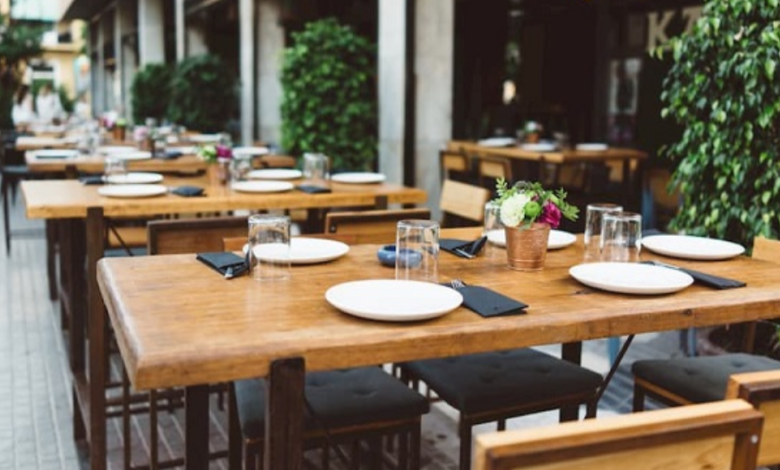
Outdoor dining used to feel seasonal. A few extra tables on the sidewalk, maybe a patio that opened when the weather was kind. Today, it is a core revenue strategy. Across the United States, restaurants continue to invest heavily in exterior spaces because outdoor seating can increase overall capacity by 20 to 40 percent, depending on layout and local regulations. In competitive markets, that additional square footage often means the difference between breaking even and building healthy margins.
As consumer behavior shifts toward experience driven dining, fresh air and open space have become part of the product. Guests are willing to wait longer, spend more, and stay for an extra drink when the setting feels comfortable and thoughtfully designed. That is exactly why more operators are betting on durable patio table and chairs. The decision is not about style alone. It is about risk management, long term cost control, and protecting the brand in every season.
Outdoor Revenue Is No Longer a Side Bet
Restaurant operators understand the odds. Every square foot must justify itself. Patio areas, when properly furnished, consistently outperform expectations during peak months. Industry reports show that restaurants with optimized outdoor seating can see revenue boosts of up to 30 percent during spring and summer compared to indoor only layouts.
Yet that opportunity comes with exposure. Sun, rain, humidity, wind, and temperature swings can destroy poorly constructed furniture within a single year. Replacing warped tables or rusted chairs eats into profit quickly. That is why durability is no longer optional. It is a calculated business move.
Consider what patio furniture must withstand:
- Constant UV exposure that fades finishes and weakens materials
- Moisture from rain, morning dew, and humidity
- Heavy daily traffic, often exceeding indoor turnover rates
When operators choose commercial grade patio tables and chairs built with powder coated steel, treated hardwood, or weather resistant resin, they are reducing the probability of premature replacement. The upfront investment may be higher, but the long term math is clear. Fewer repairs, fewer replacements, and fewer disruptions to service.
See also: Exploring Smart Business Opportunities with Throttl Licensing
Brand Perception Lives Outside the Door
First impressions rarely start at the host stand. Guests walking by see the patio first. If chairs wobble or tabletops look stained and tired, the perception of quality drops instantly. In hospitality, perception shapes pricing power. Restaurants that maintain polished, cohesive outdoor setups are better positioned to command higher menu prices.
Research into consumer dining preferences shows that ambiance ranks alongside food quality and service in influencing repeat visits. Outdoor areas that feel stable, clean, and thoughtfully arranged signal professionalism. Durable patio furniture plays a subtle but powerful role in that message.
A well-designed patio does three important things for a brand:
- Extends the interior identity into the open air
- Reinforces cleanliness and operational discipline
- Encourages social sharing, which boosts organic marketing
In the age of social media, attractive outdoor seating becomes free advertising. A sturdy, stylish set of patio table and chairs can appear in hundreds of guest photos across a single season. Weak, unstable furniture never creates that kind of positive exposure.
The Cost Equation: Repair, Replace, or Reinforce
Restaurant owners think in cycles. Equipment, décor, and furnishings all follow depreciation schedules. Cheap patio furniture may cost less at the start, but when it requires annual replacement, the total cost of ownership rises sharply.
Imagine a 20-seat patio. If low-grade chairs need to be replaced every year at 80 dollars each, that is 1,600 dollars annually just for seating. Over five years, that adds up to 8,000 dollars, not including labor or disposal. By contrast, investing in higher-quality commercial pieces that last five to seven years dramatically lowers cumulative expenses.
Durable patio table and chairs are typically engineered with reinforced welds, thicker-gauge metal frames, sealed wood, or all-weather composite materials. Many are stackable, reducing damage to stored items during the winter months. Some include replaceable components, such as glides or slats, which extend lifespan even further.
Operators who take a strategic view see outdoor furniture not as décor but as infrastructure. It supports revenue in the same way kitchen equipment does. And infrastructure must be reliable.
Weather Resilience Protects Daily Operations
Unexpected storms, sudden heat waves, or early autumn chills can disrupt service. Furniture that absorbs water, cracks under heat, or becomes unstable in wind adds stress to already complex operations. Staff spend time managing issues instead of focusing on guests.
High-performance patio table and chairs are designed for environmental resilience. Powder-coated finishes resist corrosion. Marine-grade hardware prevents rust streaking. UV-stabilized plastics prevent brittleness. These details may seem technical, but they directly influence daily efficiency.
In practical terms, resilient furniture means:
- Faster patio resets after rain
- Reduced maintenance calls
- Fewer safety concerns related to instability
Slip hazards and structural failures carry liability risks. A stable, well-maintained outdoor setup reduces the risk of accidents. In a business where insurance premiums and claims history matter, risk reduction has measurable value.
Capacity Strategy in a Competitive Market
Urban dining districts are increasingly crowded. Restaurants compete not just on cuisine but on atmosphere and available seating. When one venue offers comfortable, shaded outdoor tables and the neighboring property does not, guest flow shifts quickly.
Outdoor capacity can also help smooth peak-hour congestion. Instead of long indoor wait times, hosts can offer patio seating as an attractive alternative. This flexibility increases table turnover and improves guest satisfaction scores.
In some cities, expanded outdoor dining programs have become semi-permanent. Municipalities recognize the economic and cultural value of lively streetscapes. Restaurants that invest in durable patio tables and chairs position themselves to take advantage of these programs without worrying about ongoing maintenance costs.
Data from hospitality surveys indicates that guests seated outdoors often spend slightly more per visit, especially on beverages. Sunlight and fresh air encourage longer stays. When furniture remains comfortable and sturdy over time, that spending pattern continues without interruption.
Playing the Long Game
Short term savings rarely win in hospitality. The most successful operators think in five and ten year horizons. They evaluate furniture not only on style but on material science, warranty terms, and lifecycle performance.
Durable patio tables and chairs represent a calculated bet. They reduce maintenance headaches, protect brand image, support revenue growth, and stabilize long term costs. In a market where margins can be thin, controlling these variables matters.
Restaurants are not gambling blindly. They are reading the odds. Outdoor dining is here to stay, and guests expect comfort and consistency whether they sit inside or under the open sky. Investing in strength, weather resistance, and design continuity ensures that every seat, inside or out, contributes to profitability.
A Smart Wager on Stability and Style
The hospitality industry thrives on experience. Food may draw the first visit, but comfort and atmosphere encourage the second and third. Patio spaces extend that experience beyond four walls, turning sidewalks and courtyards into revenue engines.
Choosing durable patio table and chairs is not about chasing trends. It is about protecting the foundation of that outdoor experience. With higher capacity, stronger brand perception, and lower replacement costs, the numbers support the strategy.
In business, the best bets are the ones backed by evidence. For modern restaurants, resilience and reliability outdoors are proving to be winning hands.