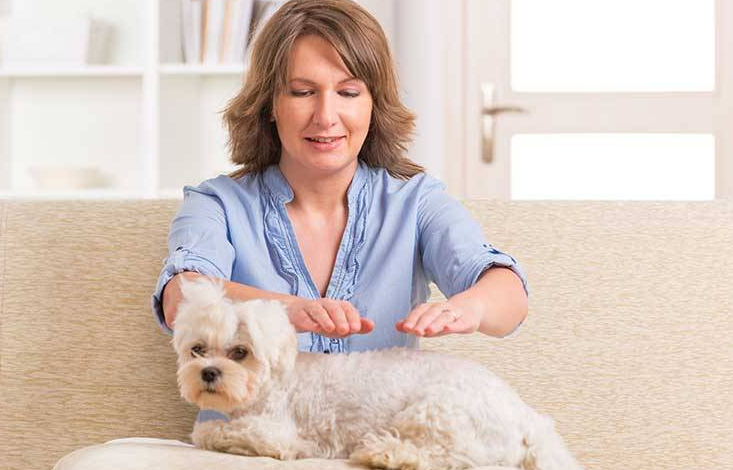
Dogs have long been known for their ability to comfort, encourage, and emotionally support people in need. In recent years, their role within healthcare has expanded significantly, especially within occupational therapy programs. Occupational therapy focuses on helping individuals build or regain the skills needed for everyday life, and dogs have become powerful partners in this process. Their natural warmth, attentiveness, and ability to motivate patients make them unique contributors to emotional and physical healing.
As the demand for patient-centered care grows, therapy dogs have become a valued part of rehabilitation settings such as hospitals, outpatient clinics, rehabilitation centers, and schools. Their presence not only brings comfort but also plays a measurable role in improving patient outcomes. Here is a closer look at how dogs enhance healing and why they have become essential companions in occupational therapy programs.
Building Emotional Comfort and Connection
One of the most important ways dogs support occupational therapy is by creating a sense of safety and emotional ease. Many patients experience anxiety, frustration, or fear during rehabilitation, especially when faced with painful exercises or unfamiliar activities. A therapy dog can help reduce these emotional barriers simply through their presence.
The act of petting a dog can lower stress levels and promote relaxation. Patients who feel calmer are more likely to participate in therapy, communicate openly, and stay motivated throughout their recovery journey. Dogs also provide nonjudgmental companionship, which can be especially helpful for children, individuals with disabilities, or those recovering from trauma. This emotional bond helps patients build confidence and feel supported as they work toward their goals.
Strengthening Motor Skills and Physical Abilities
Occupational therapy often includes exercises designed to build strength, improve coordination, and increase mobility. Dogs can participate in these activities in ways that make therapy more enjoyable and effective. For example, patients may practice reaching, grasping, or throwing by engaging in games like fetch or guiding the dog through simple tasks.
For individuals recovering from injuries or surgeries, dogs can encourage movement that feels purposeful rather than forced. Walking a dog can help improve balance, coordination, and endurance. Grooming activities such as brushing a dog’s coat or clipping its harness support fine motor skills and hand strengthening. Patients who might otherwise resist repetitive exercises often find themselves more willing when the activity involves interacting with a friendly dog.
Enhancing Social Skills and Communication
Therapy dogs also play a significant role in improving social and communication skills. This is particularly meaningful for children and adults with developmental disorders, autism spectrum disorders, or social anxiety. Dogs provide a natural bridge that encourages interaction, helping patients practice verbal and nonverbal communication in a relaxed environment.
For example, a therapist may guide a patient to give commands to the dog, describe its actions, or read cues based on the dog’s body language. These activities support speech development, emotional expression, and social awareness. Because dogs are patient, attentive, and responsive, they help build positive communication experiences that can later transfer to interactions with people.
In group occupational therapy sessions, therapy dogs help create a shared point of interest, encouraging conversation, teamwork, and cooperation among participants. Their presence can help reduce feelings of isolation and make group activities more engaging and inclusive.
See also: How to Find the Right Mental Health Therapist Near You for Lasting Wellness
Encouraging Cognitive Development and Problem-Solving
Cognitive skills such as memory, attention, planning, and sequencing are critical components of occupational therapy. Dogs can be involved in structured tasks that enhance these skills in a creative and motivating way. Patients may follow step-by-step instructions to complete a grooming routine, prepare treats, or teach a simple behavior to the dog.
These types of activities require focus, organization, and critical thinking. Because patients are often more motivated when interacting with a dog, they tend to participate with greater enthusiasm and concentration. This makes cognitive exercises feel less like work and more like play, increasing the likelihood of successful skill development.
For individuals recovering from brain injuries or neurological conditions, this combination of stimulation and companionship offers an effective way to support cognitive rehabilitation.
Increasing Motivation and Participation
Occupational therapy can be challenging, especially for patients facing long recovery periods or coping with chronic conditions. Maintaining motivation is essential for progress, and this is where therapy dogs shine. Their ability to inspire positive emotions makes therapy sessions more enjoyable, encouraging patients to show up, stay engaged, and put forth the effort needed for improvement.
Therapists often use dogs as part of a reward system, where participation in exercises allows for interaction time with the dog. This gentle encouragement helps patients push through difficult tasks, giving them something joyful to look forward to during sessions.
For children, therapy dogs turn therapy into a fun activity rather than a medical appointment. For adults, they provide comfort during difficult moments and a sense of companionship that helps ease frustration. In both cases, motivation increases when therapy feels less intimidating and more uplifting.
Fostering Independence and Daily Living Skills
Occupational therapy focuses heavily on building independence in everyday tasks such as dressing, feeding, grooming, and managing routines. Dogs can support these goals by creating meaningful activities that mimic real-life responsibilities. For example, preparing a dog’s meal, attaching a leash, cleaning their paws, or organizing their supplies helps patients practice sequencing, hand-eye coordination, and responsibility.
Such activities give patients a sense of purpose and accomplishment. They reinforce daily living skills while building the confidence needed to handle other routine tasks independently. For many individuals, being able to care for a therapy dog becomes a stepping stone toward taking care of themselves.
Creating Joy and Improving Overall Wellbeing
Above all, therapy dogs bring joy, laughter, and emotional warmth into occupational therapy environments. Healing is not only about physical progress but emotional wellbeing, and dogs excel at lifting spirits. Their friendly nature creates an atmosphere of positivity that supports healing in a holistic way.
Patients often look forward to sessions involving a therapy dog, and the positive emotional response can continue long after the session ends. A happier, calmer patient is more likely to achieve steady progress, making therapy dogs valuable partners in long-term rehabilitation.
Conclusion
Dogs have become an integral part of occupational therapy programs because of their remarkable ability to motivate, comfort, and support people in meaningful ways. Their involvement enhances emotional, physical, cognitive, and social healing, helping patients reconnect with their capabilities and move forward with confidence. As more therapists recognize the value that dogs bring to treatment, their role in rehabilitation continues to expand, enriching lives one wagging tail at a time.