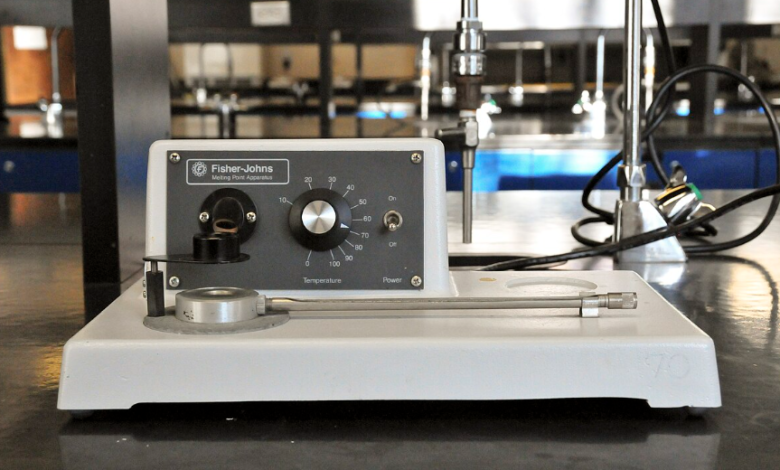
Introduction to Melting Point Analysis
Understanding the melting behavior of a substance is fundamental in both research and industrial applications. A melting point measuring instrument is designed to determine the precise temperature at which a solid transforms into a liquid. This information is crucial for assessing purity, identifying compounds, and maintaining quality control in various laboratory settings.
Modern instruments have significantly enhanced accuracy, reproducibility, and efficiency, making them essential tools for chemical, pharmaceutical, and material science laboratories.
Significance of Accurate Melting Point Measurement
Accurate melting point data plays a critical role in several aspects of laboratory and industrial work:
- Purity Assessment: Pure compounds display a sharp melting point, whereas impurities often broaden or lower the melting range.
- Compound Identification: Comparing measured melting points to reference values helps confirm the identity of unknown substances.
- Quality Control: Industries rely on accurate melting point data to verify product specifications and ensure consistency.
A reliable melting point measuring instrument provides precise readings with minimal operator influence, ensuring dependable and reproducible results.
See also: Advanced scanning tech making travel safer and more efficient
Features of Modern Melting Point Measuring Instruments
Contemporary instruments offer a range of features that improve ease of use and reliability:
- Digital Temperature Display: Provides accurate and clear readings for easy monitoring.
- Automated Detection: Sensors detect melting onset automatically, reducing subjective errors.
- Rapid Heating and Cooling: Ensures efficient analysis without compromising accuracy.
- Minimal Sample Requirement: Conserves valuable materials while enabling accurate measurement.
- Data Recording and Export: Facilitates traceability and integration with laboratory management systems.
These capabilities make modern instruments significantly more user-friendly and efficient than traditional manual methods.
Applications Across Industries
Melting point measuring instruments are widely utilized across numerous fields:
- Pharmaceuticals: Critical for evaluating active pharmaceutical ingredients (APIs) and ensuring formulation integrity.
- Chemical Manufacturing: Helps identify compounds and verify purity during synthesis.
- Food Industry: Used to assess fats, oils, and other materials for consistency and quality.
- Academic Research: Supports chemical research and material characterization in laboratories.
- Cosmetic Industry: Ensures stability and quality of waxes, creams, and other products.
By delivering precise and reproducible data, these instruments are indispensable in maintaining standards and supporting research efforts.
Advantages Over Traditional Methods
Earlier methods relied on visual observation of samples in capillary tubes under microscopes. Modern melting point measuring instruments provide distinct advantages:
- Enhanced Accuracy: Automated sensors remove the subjective nature of manual observation.
- Efficiency: Rapid heating and automatic detection save time and reduce workload.
- Reproducibility: Consistent results facilitate comparisons across multiple samples and experiments.
- Improved Safety: Reduced handling of potentially hazardous materials.
- Digital Data Management: Recorded results can be stored, exported, and analyzed systematically.
These advantages make modern instruments the preferred choice for laboratories seeking precision and efficiency.
Selecting the Right Instrument
Choosing the appropriate melting point measuring instrument depends on laboratory requirements:
- Temperature Range and Resolution: The instrument must accommodate the expected range and provide precise readings.
- Sample Capacity: Some devices allow simultaneous measurement of multiple samples, increasing throughput.
- Ease of Calibration: Automated calibration ensures long-term accuracy.
- User Interface and Software: Simple controls and connectivity to laboratory systems enhance usability.
- Supplier Reliability: Partnering with a reputable supplier ensures consistent quality, support, and service.
Evaluating these factors ensures optimal performance and reliable results over time.
Maintenance and Best Practices
Proper maintenance ensures consistent performance and longevity:
- Regular Cleaning: Keep sample holders, heating blocks, and sensors free from residue to maintain accuracy.
- Calibration Checks: Periodic verification with standard substances ensures reliable measurements.
- Software Updates: Keep firmware updated for optimal performance and compatibility.
- Safe Storage: Protect instruments from dust, moisture, and physical damage.
Adhering to maintenance protocols guarantees accurate readings and extends the operational life of the instrument.
Innovations in Melting Point Measuring Instruments
Recent developments have improved functionality and convenience:
- High-Throughput Analysis: Instruments can analyze multiple samples simultaneously for efficiency.
- Remote Operation: Some models allow control and monitoring from a distance.
- Compact Designs: Space-saving instruments optimize laboratory workflow without compromising functionality.
- Advanced Sensors: Enhanced sensitivity provides more precise measurements for challenging samples.
These innovations reflect the ongoing commitment to meet the evolving demands of modern laboratories.
Economic Considerations
Investing in a melting point measuring instrument requires balancing cost with benefits:
- Initial Investment vs. Long-Term Value: Higher upfront cost is offset by accuracy, durability, and reduced labor.
- Warranty and Support: Reliable technical support minimizes downtime and ensures continuous performance.
- Scalability: Consider instruments that can be upgraded or expanded as laboratory needs grow.
- Supplier Reputation: Trusted suppliers guarantee product quality and provide ongoing guidance.
A careful investment ensures the laboratory achieves consistent, accurate, and reliable measurements.
Conclusion
A melting point measuring instrument is an indispensable tool in modern laboratories. Its accuracy, efficiency, and reproducibility make it superior to traditional methods, enabling high-quality results in research, pharmaceuticals, chemicals, food production, and cosmetics.
By selecting a reliable instrument from a reputable supplier, adhering to maintenance protocols, and utilizing the instrument’s advanced features, laboratories can ensure accurate melting point determination, maintain quality standards, and support ongoing research and development.
For any laboratory committed to precision and efficiency, investing in a melting point measuring instrument is both a practical and strategic decision.