Furnace ignition delays can catch Phoenix homeowners off guard. You turn up the thermostat, expect warm air, and instead wait longer than usual while the system clicks, pauses, or cycles without heat. Sometimes the furnace eventually starts. Other times, it shuts down completely. These delays may seem minor at first, but they often point to underlying issues that worsen over time.
Phoenix homes face unique conditions that contribute to ignition problems. Long periods of mild weather allow furnaces to sit idle. Dust, dry air, and aging components quietly affect performance. A repair visit often uncovers patterns that explain why ignition no longer happens smoothly.
Understanding what causes ignition delays helps homeowners respond early, avoid breakdowns, and restore reliable heating before colder nights arrive.
How Furnace Ignition Should Work
A furnace ignition sequence follows a specific order. Once the thermostat signals a call for heat, the system begins a safety check. The inducer motor starts, clearing gases from the combustion chamber. After that step completes, the ignition system activates to light the burners.
Modern furnaces use electronic ignition instead of standing pilot lights. A hot surface igniter or spark igniter lights the gas. Once the flame establishes, sensors confirm proper combustion. The blower then pushes warm air through the duct system.
This entire process should happen within seconds. Any delay signals resistance, wear, or interruption somewhere in the sequence.
What Counts as an Ignition Delay
Ignition delays show up in several ways. The furnace may click repeatedly before lighting. The burners may ignite seconds later than usual. The system may attempt ignition, fail, and try again.
Some homeowners notice a brief puff of cool air before heat arrives. Others hear a whoosh or boom when the burners finally light, which often signals delayed ignition buildup.
Even short delays matter. They place stress on components and affect system safety.
Why Phoenix Homes Experience Ignition Issues More Often
Phoenix heating systems spend much of the year unused. Months of inactivity allow dust to settle on burners, sensors, and igniters. Dry air can dry out electrical connections and weaken components.
Desert dust enters homes easily. It builds up inside furnaces, especially in attics or garages. Over time, this buildup interferes with ignition parts.
Mild winters also delay maintenance. Many homeowners skip annual service because heating runs less often. Small ignition problems then go unnoticed until a cold night reveals them.
Dirty or Worn Igniters
Repair visits often begin with the igniter. Hot surface igniters glow red to light gas. Dust, age, and heat cycles weaken them over time. A worn igniter may heat slowly or unevenly, causing delayed ignition.
Even a thin layer of dust can insulate the igniter surface. That delay prevents it from reaching the temperature needed to light the gas quickly.
Technicians check resistance levels and surface condition. They often find igniters near the end of their service life, long before they fail.
Flame Sensor Problems That Interrupt Ignition
The flame sensor plays a critical role after ignition. It confirms that burners light properly. If the sensor fails to detect flame quickly, the system shuts down gas flow for safety.
Dust buildup on the sensor creates false readings. The furnace may light briefly, then shut off and retry. This cycle looks like an ignition delay to the homeowner.
Repair visits often reveal flame sensors coated with residue. Cleaning restores proper detection and smooth ignition.
See also: The Importance of Regular Electrical Inspections for Home Safety
Gas Flow Issues That Slow Ignition
Ignition depends on a consistent gas flow. Restricted or delayed gas delivery causes uneven lighting. Valves may open slowly due to wear or debris.
In Phoenix homes, older gas lines or valves sometimes show signs of internal buildup. That buildup slows response time during startup.
Technicians test gas pressure and valve operation during service calls. They look for hesitation that affects ignition timing.
Airflow and Pressure Effects on Ignition
Airflow plays a role before ignition begins. The inducer motor must clear gases and create proper pressure. Blocked vents, dirty filters, or restricted flues interfere with this step.
Pressure switches verify airflow before ignition. If airflow stays weak, the system pauses or retries, creating delays.
Repair visits often uncover dirty intake pipes, clogged exhaust vents, or pressure switches reacting slowly due to dust.
Control Board Timing Issues
Modern furnaces rely on control boards to manage ignition timing. These boards send signals in a specific order. Age, heat exposure, or electrical wear affects their accuracy.
A failing board may pause longer than normal between steps. That pause feels like an ignition delay, even though components still function.
Technicians evaluate board response times and error codes. Many ignition complaints trace back to timing inconsistencies rather than complete failures.
Electrical Connection Wear
Furnaces depend on stable electrical connections. Dry Phoenix air causes wiring insulation to harden and connections to loosen over time.
Loose connections disrupt signal flow between components. The igniter may receive power late. Sensors may report inconsistently.
Repair visits often involve tightening connections and inspecting wiring for heat damage or corrosion.
Burner Condition and Alignment
Burners must align properly for quick ignition. Dust, rust, or debris disrupts flame spread. Gas may pool briefly before lighting, creating delayed or uneven ignition.
Technicians inspect burner ports during service calls. Cleaning restores even flame distribution and prevents ignition lag.
Burner condition often reflects years of neglected maintenance rather than sudden failure.
Safety Lockouts Triggered by Repeated Delays
Furnaces include safety systems that lock out ignition after multiple failed attempts. Homeowners may notice the furnace stops responding entirely after delays occur.
This lockout protects the home from gas buildup. Resetting the system without fixing the cause only leads to repeated issues.
Repair visits identify why the furnace reached lockout status and correct the root problem.
Sounds That Accompany Ignition Delays
Audible clues help diagnose ignition problems. Clicking sounds often point to repeated ignition attempts. A delayed whoosh suggests gas buildup before ignition.
Booming noises signal a delayed ignition that requires immediate attention. These sounds indicate uneven lighting that stresses components.
Technicians listen carefully during startup to pinpoint where the delay occurs.
Why Ignition Delays Get Worse Over Time
Ignition issues rarely stay the same. Dust accumulation increases. Components weaken further. Small delays turn into full ignition failures.
Each delayed cycle stresses the system. Gas valves, igniters, and control boards wear faster. Ignoring early signs shortens furnace lifespan.
Regular service prevents these gradual declines by restoring proper timing.
How Repair Visits Restore Normal Ignition
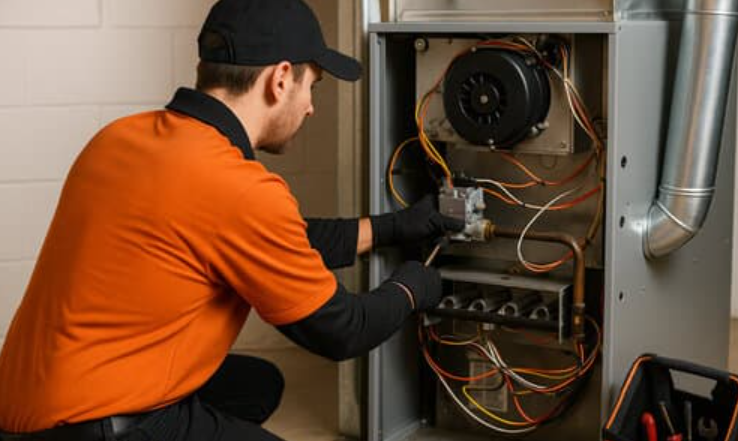
Professional service addresses ignition delays step by step. Technicians clean igniters, sensors, and burners. They test electrical signals and airflow.
They verify gas pressure and inducer performance. They reset timing where needed and replace worn components before failure.
Most ignition delays resolve without major repairs once technicians remove the buildup and restore proper operation.
Why DIY Fixes Often Miss the Real Issue
Homeowners may replace filters or reset thermostats, yet ignition delays persist. The problem often hides deeper in the system.
Ignition components require testing tools and experience. Guesswork leads to repeated issues or unsafe conditions. Professional evaluation ensures safe and accurate repairs.
The Connection Between Ignition Delays and Energy Waste
Delayed ignition increases run time. The furnace cycles more often to reach set temperatures. Energy use rises without improved comfort.
Smooth ignition allows efficient heating cycles. Restoring proper timing reduces wasted fuel and improves system response.
Preventing Future Ignition Delays
Annual maintenance plays the biggest role in prevention. Cleaning critical components before heating season keeps ignition smooth. Filter changes reduce dust buildup inside the system. Clear vents support proper airflow and pressure. Addressing small delays early prevents larger failures during cold nights.
Why Ignition Delays Signal the Need for Attention
Ignition delays never count as normal operation. They signal resistance, wear, or buildup inside the system. Ignoring them invites breakdowns and safety risks.
Phoenix homeowners benefit from recognizing these early warnings. Repair visits reveal patterns that help restore reliability before heating demand increases.
A furnace that ignites quickly and smoothly delivers comfort, efficiency, and peace of mind throughout the heating season.